
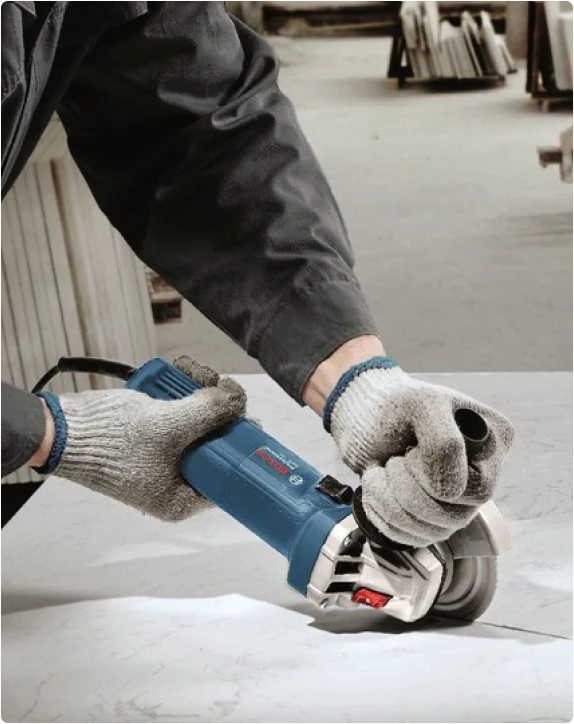
dry polishing
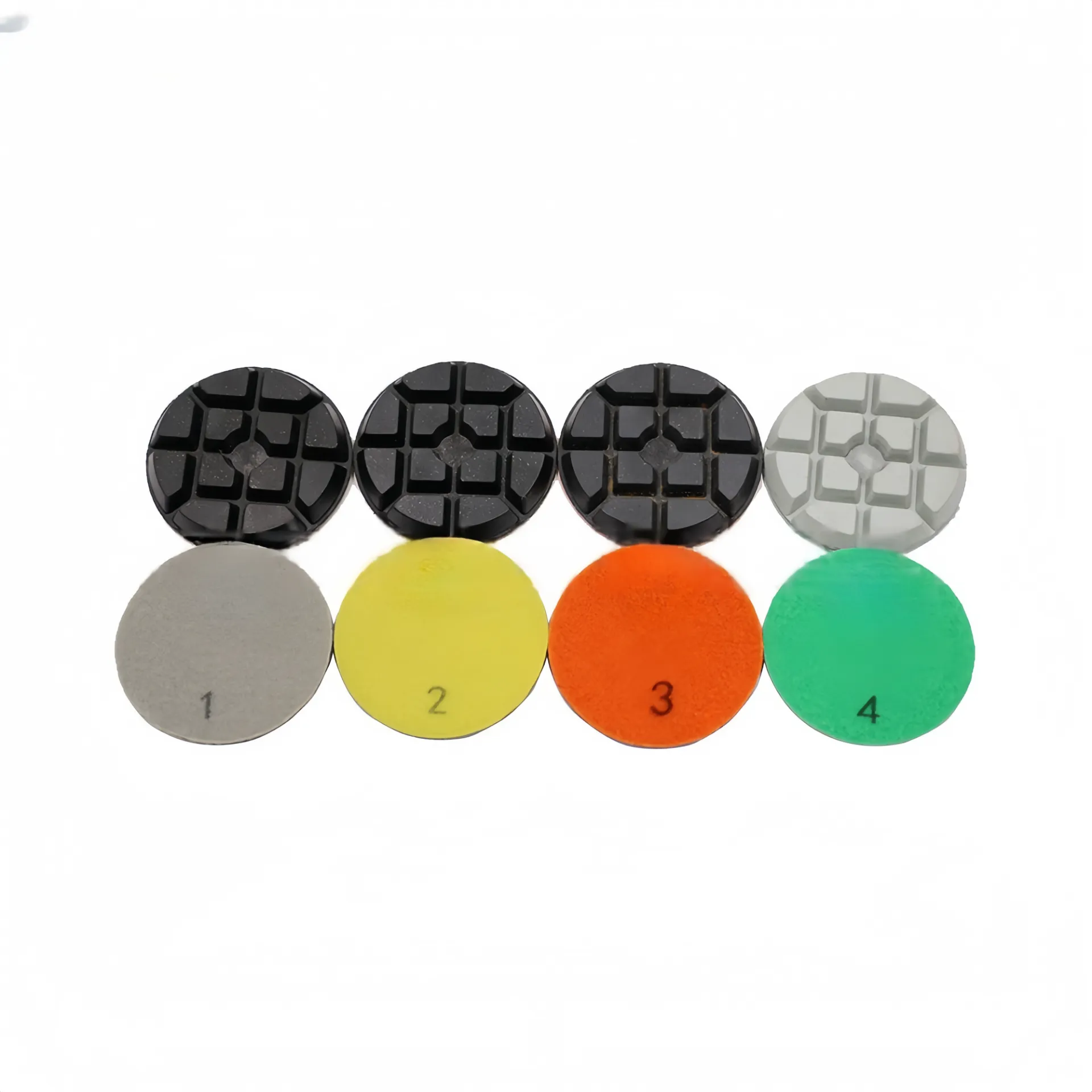
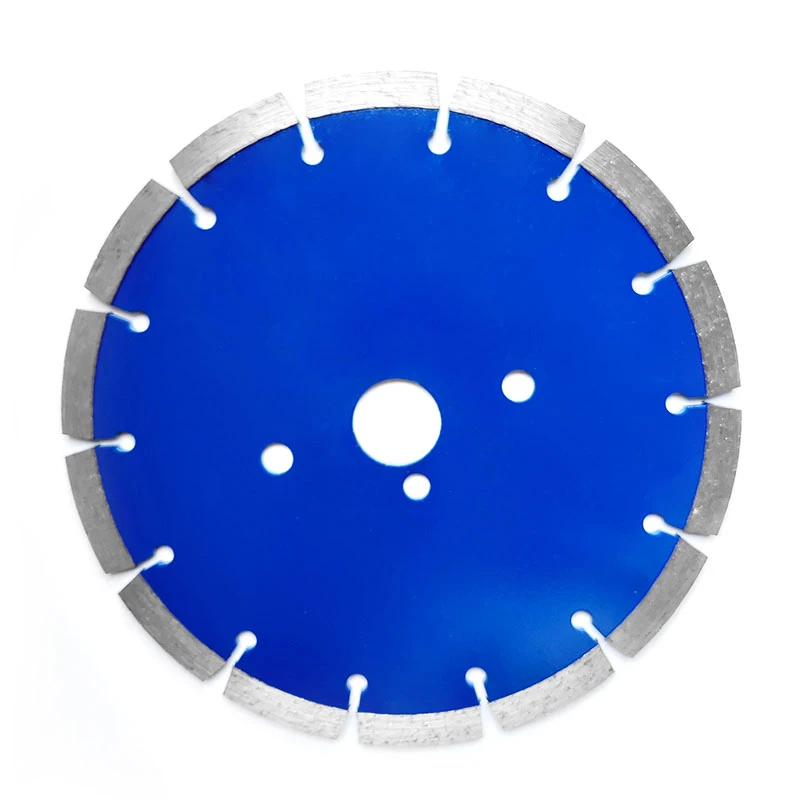
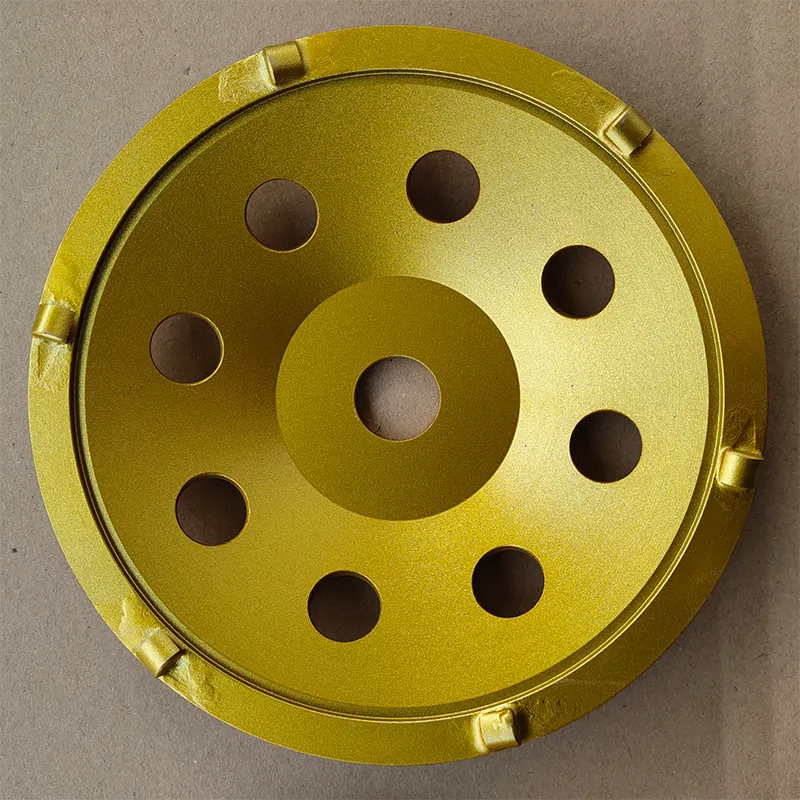
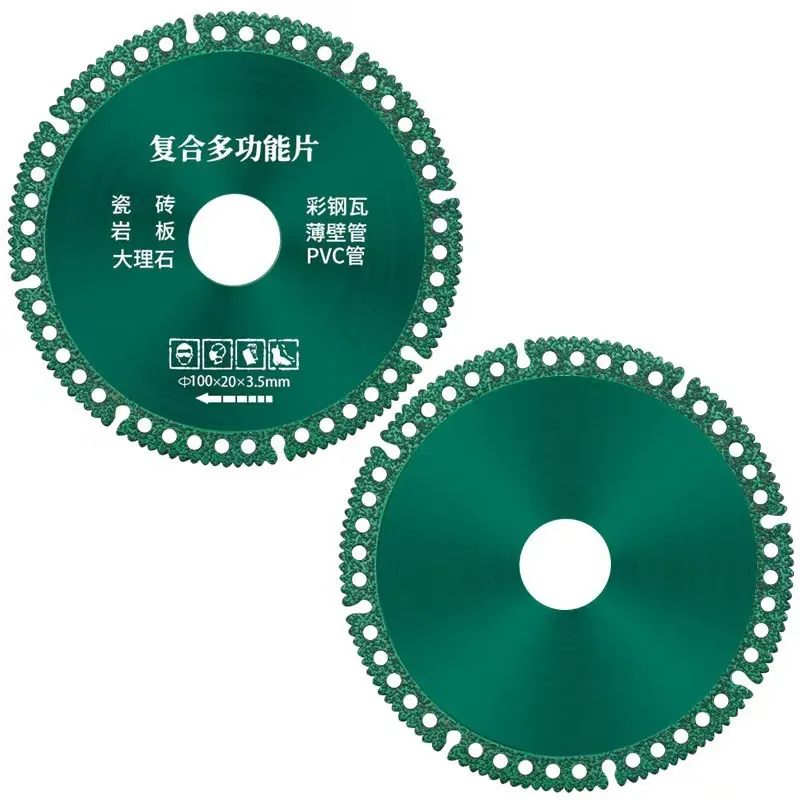
Introduction to Advanced Dry Polishing Technology In the realm of surface finishing for hard materials, the efficiency and quality of polishing tools are paramount. Among the most critical innovations are dry polishing pads , engineered for superior performance without the need for water. These specialized tools have revolutionized the stone, concrete, and construction industries by offering a cleaner, faster, and often more cost-effective polishing solution. This article delves into the intricate details of their manufacturing, technical advantages, application versatility, and the market dynamics shaping their adoption, providing B2B decision-makers with comprehensive insights into this essential technology. Manufacturing Process of High-Performance Dry Polishing Pads The production of high-quality dry polishing pads is a multi-stage, precision-driven process that ensures optimal abrasive performance and durability. This intricate manufacturing flow is critical to achieving the desired finish on various hard surfaces, from natural stone to engineered concrete. Materials Selection and Preparation: Diamond Abrasives: High-grade industrial diamonds, either natural or synthetic, are selected based on their hardness, consistency, and specific grit size. These are the primary cutting agents. Resin Bond Matrix: A proprietary blend of polymer resins forms the matrix that encapsulates the diamond particles. The specific resin formulation dictates the pad's flexibility, heat resistance, and wear characteristics. Different resins are used for soft, medium, or hard bonds to optimize performance on various materials. Fiber Backing: A durable hook-and-loop (Velcro-style) backing is attached to the non-abrasive side of the pad for easy, secure attachment to polishing machines. This backing must withstand high rotational speeds and repeated use. Manufacturing Process Steps: Mixing and Formulation: Diamond grit is precisely weighed and thoroughly mixed with the specific resin bond formulation. This step is critical to ensure uniform distribution of diamonds within the matrix. Molding and Pressing: The diamond-resin mixture is then poured or pressed into molds of specific diameters (e.g., 4-inch dry polishing pads) and thicknesses. High-pressure hydraulic presses are often employed to ensure compaction and uniform density. Curing and Hardening: The molded pads undergo a controlled curing process, typically involving heat and specific atmospheric conditions. This polymerizes the resin, bonding the diamonds securely within the matrix and hardening the pad structure. Shaping and Profiling: After curing, the pads are machined to their final dimensions and profile. This may involve CNC machining for precise segment formation or edge chamfering, which contributes to the pad's efficiency and longevity. Backing Attachment: The hook-and-loop backing is securely adhered to the polished side of the pad using high-strength industrial adhesives. Quality Control and Testing: Each batch undergoes rigorous testing to ensure compliance with quality standards. This includes adherence to ISO 9001 for manufacturing quality management and internal performance benchmarks for wear resistance, aggressive cutting, and consistent finish. Target Industries and Service Life: These pads are indispensable across various sectors, including stone fabrication, concrete polishing, construction (especially for surface preparation), and general material finishing. The service life of a pad is a critical metric, influenced by the hardness of the material being polished, the operator's technique, machine RPM, and the quality of the diamond bond. Premium pads are engineered to deliver extended operational hours, reducing replacement frequency and overall project costs. Typical advantages in application scenarios include significant energy saving due to reduced water pumping and associated heating costs, as well as superior finish quality without water-borne slurry, which simplifies cleanup and disposal. Technical Specifications and Performance Parameters Understanding the technical specifications of diamond dry polishing pads is crucial for selecting the appropriate tool for specific applications. These parameters directly influence performance, finish quality, and pad longevity. Key Specifications: Grit Sizes: Ranging from coarse (e.g., #30, #50, #100 for aggressive material removal) to ultra-fine (e.g., #3000, BUFF for high-gloss finishes). A comprehensive diamond dry polishing pads set typically includes a progressive range of grits. Diameter: Common sizes include 3-inch, 4-inch, and 5-inch, tailored for various machines and surface areas. Bond Type: Refers to the hardness of the resin matrix. Harder bonds are suitable for softer materials and vice-versa, allowing for optimal diamond exposure and cutting action. Max RPM: The maximum rotational speed the pad can safely withstand, typically specified by the manufacturer and crucial for machine compatibility. Thickness: Affects pad flexibility and overall diamond content, influencing service life. Typical Product Specification Table: Diamond Dry Polishing Pads Parameter Specification Range Typical Performance Characteristic Diameter 3" (75mm), 4" (100mm), 5" (125mm) Compatibility with angle grinders, floor polishers Grit Sizes #50, #100, #200, #400, #800, #1500, #3000, BUFF Progressive stages from coarse grinding to mirror-like finish Bond Type Resin, Metal-Resin Hybrid Optimized for various material hardness (e.g., hard concrete, soft marble) Max RPM 3,000 - 6,000 RPM (depending on diameter) Ensures safe and efficient operation with polishing machines Life Expectancy Up to 5,000-10,000 sq ft per set (material dependent) Cost-effectiveness and reduced downtime These specifications are crucial for matching the pad to the job, ensuring optimal material removal rate (MRR), surface finish (measured in Gloss Units or Ra values), and extended service life. Adherence to standards like ANSI B7.1 for abrasive products further guarantees performance reliability. Industry Trends in Dry Polishing Technology The dry polishing sector is experiencing dynamic growth driven by demands for greater efficiency, environmental responsibility, and versatile application. Innovations in dry polishing pads technology are at the forefront of these shifts. Key Trends: Sustainable Practices: A major driver is the reduction of water consumption. Dry polishing eliminates the need for water, significantly cutting down on water usage, slurry generation, and the associated environmental impact and disposal costs. This aligns with global sustainability initiatives. Enhanced Durability and Longevity: Manufacturers are continuously improving resin bonds and diamond encapsulation techniques to extend pad life, especially for rigorous applications on hard materials like granite and concrete. This reduces operational costs and downtime. Specialized Formulations: The development of application-specific pads, such as those optimized for specific types of natural stone (e.g., marble vs. granite) or concrete hardness, allows for superior results and efficiency. Automation and Robotics Compatibility: As automation becomes more prevalent in construction and fabrication, dry polishing pads are being designed for consistent performance under robotic or automated polishing systems, ensuring repeatable quality and higher throughput. Dust Control Innovations: While dry polishing eliminates wet slurry, it generates dust. The industry is seeing advancements in dust shroud designs and vacuum systems integrated with dry polishing equipment to ensure a cleaner, safer work environment. According to a recent market analysis by Grand View Research, the global diamond tools market, which includes polishing pads, is projected to reach USD 16.5 billion by 2030, growing at a CAGR of 6.2%. This growth is significantly fueled by the construction and stone processing industries, where dry polishing solutions are gaining traction due to their inherent advantages. Versatile Application Scenarios The adaptability of dry polishing pads for granite and other hard surfaces makes them invaluable across a broad spectrum of industries and applications. Their ability to deliver high-quality finishes without water streamlines operations and opens up new possibilities for on-site work. Key Application Areas: Stone Fabrication (Granite, Marble, Quartzite): Essential for achieving mirror-like finishes on countertops, vanity tops, and flooring. Dry polishing is preferred in shops where wet processing is impractical or to avoid staining porous stones. Concrete Floor Polishing: Transforming dull concrete into high-gloss, durable, and aesthetically pleasing surfaces in industrial facilities, warehouses, retail spaces, and residential homes. Dry pads are vital for the initial grinding to the final buffing stages. Terrazzo and Engineered Stone: Used to restore and polish these composite materials, bringing out their inherent beauty and extending their service life. On-Site Renovation and Repair: Ideal for indoor projects where water containment is difficult or messy, such as polishing existing floors in occupied buildings, repairing scratched stone surfaces, or edge work in installed areas. Edge Polishing and Chamfering: Crucial for finishing the edges of cut slabs, ensuring smooth, consistent, and visually appealing results. Customer feedback consistently highlights the superior portability and minimal setup required for dry polishing. For instance, a major flooring contractor reported a 30% reduction in project completion time for a 10,000 sq ft concrete polishing job in a retail outlet, primarily due to the elimination of wet cleanup stages and faster transition between grits using dry polishing pads . Technical Advantages and Efficiency Gains The adoption of dry polishing pads is predicated on a range of technical and operational advantages that significantly enhance project efficiency, cost-effectiveness, and overall finish quality, particularly in demanding B2B environments. Key Technical Advantages: Elimination of Water Usage: This is the primary advantage. It simplifies logistics, reduces water procurement and disposal costs, and eradicates the problem of hazardous slurry, a major environmental and cleanup concern in wet polishing. Reduced Cleanup Time: Without water and slurry, cleanup is drastically minimized. Dust generated can be managed effectively with integrated vacuum systems, leading to faster project completion and reduced labor costs. Enhanced Portability and On-Site Versatility: Dry polishing equipment is often lighter and requires less infrastructure (no water source, no drainage). This makes it ideal for remote sites, upper floors, or occupied buildings where wet operations are prohibitive. Improved Visibility: Operators have a clearer view of the surface being polished without water obscuring the finish, allowing for better control and immediate assessment of results, leading to higher quality outputs. Material-Specific Performance: Certain materials, especially porous stones, can be susceptible to water staining or absorption. Dry polishing mitigates these risks, preserving the natural aesthetics and structural integrity of the material. Cost-Effectiveness: While initial pad cost might be comparable, the overall cost savings from reduced water, labor for cleanup, and faster project turnaround often make dry polishing a more economically viable solution for large-scale operations. These combined advantages contribute to substantial energy saving for businesses by reducing the need for water pumps, heaters, and energy-intensive waste treatment processes. The direct positive impact on operational expenditures and project timelines makes dry polishing a preferred method for discerning professionals. Vendor Comparison and Selection Criteria Selecting the right supplier for diamond dry polishing pads is paramount for ensuring consistent project quality and cost efficiency. B2B purchasers must consider various factors beyond just the price tag. Key Comparison Points: Quality of Diamond Grit: Consistency in diamond size, shape, and distribution directly impacts cutting efficiency and finish quality. Bonding Technology: The resilience and abrasive properties of the resin bond determine the pad's longevity and performance on different materials. Comprehensive Grit Range: Availability of a full set of grits, from coarse to fine, ensures a seamless polishing progression. Durability and Service Life: Verified performance metrics for pad life under typical operating conditions. Consistent Manufacturing: Suppliers with ISO certifications (e.g., ISO 9001:2015) demonstrate a commitment to quality management systems. Technical Support and Expertise: The ability of the vendor to provide guidance on pad selection, usage techniques, and troubleshooting. Lead Times and Supply Chain Reliability: Critical for large-scale operations to avoid project delays. Vendor Comparison Table (Illustrative): Feature Vendor A (Premium) Vendor B (Mid-Range) Vendor C (Economy) Diamond Quality High-grade synthetic, consistent Standard industrial, good consistency Mixed quality, variable consistency Bond Durability Proprietary, long-lasting resin Standard resin, moderate life Basic resin, shorter life Finish Quality Exceptional (95+ GU on granite) Very Good (85-90 GU on granite) Good (75-80 GU on granite) Cost per Pad (4") $15-$25 $10-$18 $5-$12 Technical Support Excellent, dedicated reps Good, general support Limited online support Certifications ISO 9001, CE CE None specified Customized Solutions and Tailored Performance For specialized applications or unique material requirements, standard dry polishing pads may not always suffice. Many reputable manufacturers offer customized solutions to meet precise performance demands. Areas for Customization: Custom Grit Sequences: For projects requiring specific intermediate finishes or faster transitions, grit progressions can be tailored. Bond Hardness Adjustments: Modifying the resin bond to be harder for softer stones (to prevent premature wear) or softer for harder materials (to expose diamonds more readily) ensures optimal cutting action. Diameter and Thickness: While 4-inch dry polishing pads are common, specific machine configurations or tight spaces may require non-standard diameters or thicknesses. Segment Design: The pattern and shape of the diamond segments on the pad can be optimized for specific applications, such as aggressive stock removal or very fine polishing. Hybrid Bonds: Combining resin and metal bond characteristics for unique abrasive properties, often seen in early grinding stages on very hard concrete. Collaborating with manufacturers boasting robust R&D capabilities allows businesses to develop bespoke polishing solutions that provide a competitive edge in niche markets or for complex projects. This often involves rigorous testing and iteration to achieve certified performance levels. Application Case Studies Real-world applications underscore the effectiveness and versatility of high-quality dry polishing pads in demanding B2B settings. Case Study 1: Large-Scale Retail Concrete Floor Restoration Client: Major Retail Chain, 50,000 sq ft warehouse floor. Challenge: Restore severely worn concrete floor to a high-gloss, durable finish with minimal disruption to ongoing operations and no water-related hazards. Solution: A specialized dry polishing pads set (from #50 to #3000 grit) was used with heavy-duty planetary grinders equipped with industrial dust extraction systems. Results: The project was completed 20% faster than estimated for wet polishing, primarily due to zero drying time and immediate availability of the polished sections. The floor achieved a consistent 85+ gloss unit (GU) reading, exceeding client expectations for durability and aesthetics. No water damage or slurry disposal costs were incurred, leading to an estimated 15% cost saving. Case Study 2: High-End Residential Granite Countertop Fabrication Client: Bespoke kitchen design firm. Challenge: Achieve a flawless, consistent mirror polish on 3cm thick Black Galaxy granite countertops after cutting and edge profiling, without transporting to a wet shop. Solution: Fabricators utilized a comprehensive range of 4-inch dry polishing pads, progressively moving from #50 grit to BUFF, on variable-speed portable polishers. Results: The dry polishing process allowed for on-site finishing, dramatically reducing logistical costs and handling risks associated with moving large slabs. The granite achieved a deep, consistent 90-95 GU finish, enhancing the perceived value of the installation. Customer feedback highlighted the exceptionally clean work environment and rapid turnaround, directly contributing to high client satisfaction. Frequently Asked Questions (FAQ) Q1: What materials can be polished with dry polishing pads? A1: Dry polishing pads are highly effective on a wide range of materials including concrete, natural stone (granite, marble, travertine, onyx), terrazzo, engineered stone, and quartz surfaces. Their versatility makes them suitable for various construction and fabrication projects. Q2: How do dry polishing pads manage dust? A2: While dry polishing generates dust, it can be efficiently managed with industrial-grade dust shrouds and powerful HEPA-filtered vacuum systems attached directly to the polishing equipment. This ensures a clean and safe working environment, meeting OSHA and other regulatory standards. Q3: What is the typical service life of a dry polishing pad? A3: The service life varies significantly based on factors such as the hardness of the material being polished, the grit size, operator technique, machine RPM, and pad quality. High-quality pads can typically cover thousands of square feet, but specific estimates should be obtained from the manufacturer for particular applications. Q4: Can dry polishing achieve the same quality finish as wet polishing? A4: Yes, with advancements in diamond technology and resin formulations, modern dry polishing pads can achieve finishes comparable to, and in some cases even superior to, wet polishing, especially when considering the lack of water spots and consistent clarity. Proper technique and a full grit progression are key. Lead Time, Warranty, and Customer Support For B2B clients, the reliability of product delivery and post-purchase support are as crucial as product performance. Our commitment extends beyond the sale of diamond tools. Lead Time & Fulfillment: Standard orders for our extensive range of dry polishing pads are typically processed and shipped within 3-5 business days. For bulk orders or customized solutions, lead times are communicated clearly during the quotation phase, generally ranging from 7-14 business days depending on complexity and order volume. We maintain robust inventory levels and efficient logistics to ensure prompt fulfillment and minimize project delays for our clients. Warranty Commitments: All our dry polishing pads are backed by a manufacturer's warranty against defects in materials and workmanship. This warranty typically covers a period of 90 days from the date of purchase. Any issues arising from manufacturing faults will result in product replacement or credit. This warranty does not cover wear and tear from normal use or damage resulting from improper application, misuse, or exceeding specified operational parameters. Dedicated Customer Support: Our team of technical experts is available to provide comprehensive customer support, from pre-sales consultation on product selection to post-sales technical assistance. We offer detailed usage guides, troubleshooting advice, and can assist with optimizing polishing processes for specific materials and desired finishes. Reach out to us via phone, email, or our dedicated B2B portal for prompt and professional assistance. Conclusion Dry polishing pads represent a significant advancement in abrasive technology, offering unparalleled efficiency, environmental benefits, and operational flexibility for professionals in the stone, concrete, and construction industries. By understanding their manufacturing intricacies, technical specifications, and diverse application potential, businesses can leverage these tools to achieve superior finishes, reduce costs, and streamline complex projects. As the industry continues to evolve, the demand for high-performance, sustainable dry polishing solutions is set to grow, making informed selection and strategic partnership with reputable manufacturers more crucial than ever. References ISO 9001:2015 Quality Management Systems – Requirements. International Organization for Standardization. ANSI B7.1 – Safety Requirements for the Use, Care, and Protection of Abrasive Wheels. American National Standards Institute. Grand View Research. (2023). Diamond Tools Market Size, Share & Trends Analysis Report By Product, By Application (Construction, Stone Processing, Others), By Region, And Segment Forecasts, 2023 – 2030. Occupational Safety and Health Administration (OSHA). (2016). OSHA's Respirable Crystalline Silica Standard for Construction. 29 CFR 1926.1153. Concrete Polishing Association of America (CPAA). (Accessed 2024). Industry Standards and Best Practices for Polished Concrete.
-
 30000M2Floor Space
 -
 100+Team size
 -
 20+Production experience
 -
 120+Export Countries
dry polishing
Introduction to Advanced Dry Polishing Technology In the realm of surface finishing for hard materials, the efficiency and quality of polishing tools are paramount. Among the most critical innovations are dry polishing pads , engineered for superior performance without the need for water. These specialized tools have revolutionized the stone, concrete, and construction industries by offering a cleaner, faster, and often more cost-effective polishing solution. This article delves into the intricate details of their manufacturing, technical advantages, application versatility, and the market dynamics shaping their adoption, providing B2B decision-makers with comprehensive insights into this essential technology. Manufacturing Process of High-Performance Dry Polishing Pads The production of high-quality dry polishing pads is a multi-stage, precision-driven process that ensures optimal abrasive performance and durability. This intricate manufacturing flow is critical to achieving the desired finish on various hard surfaces, from natural stone to engineered concrete. Materials Selection and Preparation: Diamond Abrasives: High-grade industrial diamonds, either natural or synthetic, are selected based on their hardness, consistency, and specific grit size. These are the primary cutting agents. Resin Bond Matrix: A proprietary blend of polymer resins forms the matrix that encapsulates the diamond particles. The specific resin formulation dictates the pad's flexibility, heat resistance, and wear characteristics. Different resins are used for soft, medium, or hard bonds to optimize performance on various materials. Fiber Backing: A durable hook-and-loop (Velcro-style) backing is attached to the non-abrasive side of the pad for easy, secure attachment to polishing machines. This backing must withstand high rotational speeds and repeated use. Manufacturing Process Steps: Mixing and Formulation: Diamond grit is precisely weighed and thoroughly mixed with the specific resin bond formulation. This step is critical to ensure uniform distribution of diamonds within the matrix. Molding and Pressing: The diamond-resin mixture is then poured or pressed into molds of specific diameters (e.g., 4-inch dry polishing pads) and thicknesses. High-pressure hydraulic presses are often employed to ensure compaction and uniform density. Curing and Hardening: The molded pads undergo a controlled curing process, typically involving heat and specific atmospheric conditions. This polymerizes the resin, bonding the diamonds securely within the matrix and hardening the pad structure. Shaping and Profiling: After curing, the pads are machined to their final dimensions and profile. This may involve CNC machining for precise segment formation or edge chamfering, which contributes to the pad's efficiency and longevity. Backing Attachment: The hook-and-loop backing is securely adhered to the polished side of the pad using high-strength industrial adhesives. Quality Control and Testing: Each batch undergoes rigorous testing to ensure compliance with quality standards. This includes adherence to ISO 9001 for manufacturing quality management and internal performance benchmarks for wear resistance, aggressive cutting, and consistent finish. Target Industries and Service Life: These pads are indispensable across various sectors, including stone fabrication, concrete polishing, construction (especially for surface preparation), and general material finishing. The service life of a pad is a critical metric, influenced by the hardness of the material being polished, the operator's technique, machine RPM, and the quality of the diamond bond. Premium pads are engineered to deliver extended operational hours, reducing replacement frequency and overall project costs. Typical advantages in application scenarios include significant energy saving due to reduced water pumping and associated heating costs, as well as superior finish quality without water-borne slurry, which simplifies cleanup and disposal. Technical Specifications and Performance Parameters Understanding the technical specifications of diamond dry polishing pads is crucial for selecting the appropriate tool for specific applications. These parameters directly influence performance, finish quality, and pad longevity. Key Specifications: Grit Sizes: Ranging from coarse (e.g., #30, #50, #100 for aggressive material removal) to ultra-fine (e.g., #3000, BUFF for high-gloss finishes). A comprehensive diamond dry polishing pads set typically includes a progressive range of grits. Diameter: Common sizes include 3-inch, 4-inch, and 5-inch, tailored for various machines and surface areas. Bond Type: Refers to the hardness of the resin matrix. Harder bonds are suitable for softer materials and vice-versa, allowing for optimal diamond exposure and cutting action. Max RPM: The maximum rotational speed the pad can safely withstand, typically specified by the manufacturer and crucial for machine compatibility. Thickness: Affects pad flexibility and overall diamond content, influencing service life. Typical Product Specification Table: Diamond Dry Polishing Pads Parameter Specification Range Typical Performance Characteristic Diameter 3" (75mm), 4" (100mm), 5" (125mm) Compatibility with angle grinders, floor polishers Grit Sizes #50, #100, #200, #400, #800, #1500, #3000, BUFF Progressive stages from coarse grinding to mirror-like finish Bond Type Resin, Metal-Resin Hybrid Optimized for various material hardness (e.g., hard concrete, soft marble) Max RPM 3,000 - 6,000 RPM (depending on diameter) Ensures safe and efficient operation with polishing machines Life Expectancy Up to 5,000-10,000 sq ft per set (material dependent) Cost-effectiveness and reduced downtime These specifications are crucial for matching the pad to the job, ensuring optimal material removal rate (MRR), surface finish (measured in Gloss Units or Ra values), and extended service life. Adherence to standards like ANSI B7.1 for abrasive products further guarantees performance reliability. Industry Trends in Dry Polishing Technology The dry polishing sector is experiencing dynamic growth driven by demands for greater efficiency, environmental responsibility, and versatile application. Innovations in dry polishing pads technology are at the forefront of these shifts. Key Trends: Sustainable Practices: A major driver is the reduction of water consumption. Dry polishing eliminates the need for water, significantly cutting down on water usage, slurry generation, and the associated environmental impact and disposal costs. This aligns with global sustainability initiatives. Enhanced Durability and Longevity: Manufacturers are continuously improving resin bonds and diamond encapsulation techniques to extend pad life, especially for rigorous applications on hard materials like granite and concrete. This reduces operational costs and downtime. Specialized Formulations: The development of application-specific pads, such as those optimized for specific types of natural stone (e.g., marble vs. granite) or concrete hardness, allows for superior results and efficiency. Automation and Robotics Compatibility: As automation becomes more prevalent in construction and fabrication, dry polishing pads are being designed for consistent performance under robotic or automated polishing systems, ensuring repeatable quality and higher throughput. Dust Control Innovations: While dry polishing eliminates wet slurry, it generates dust. The industry is seeing advancements in dust shroud designs and vacuum systems integrated with dry polishing equipment to ensure a cleaner, safer work environment. According to a recent market analysis by Grand View Research, the global diamond tools market, which includes polishing pads, is projected to reach USD 16.5 billion by 2030, growing at a CAGR of 6.2%. This growth is significantly fueled by the construction and stone processing industries, where dry polishing solutions are gaining traction due to their inherent advantages. Versatile Application Scenarios The adaptability of dry polishing pads for granite and other hard surfaces makes them invaluable across a broad spectrum of industries and applications. Their ability to deliver high-quality finishes without water streamlines operations and opens up new possibilities for on-site work. Key Application Areas: Stone Fabrication (Granite, Marble, Quartzite): Essential for achieving mirror-like finishes on countertops, vanity tops, and flooring. Dry polishing is preferred in shops where wet processing is impractical or to avoid staining porous stones. Concrete Floor Polishing: Transforming dull concrete into high-gloss, durable, and aesthetically pleasing surfaces in industrial facilities, warehouses, retail spaces, and residential homes. Dry pads are vital for the initial grinding to the final buffing stages. Terrazzo and Engineered Stone: Used to restore and polish these composite materials, bringing out their inherent beauty and extending their service life. On-Site Renovation and Repair: Ideal for indoor projects where water containment is difficult or messy, such as polishing existing floors in occupied buildings, repairing scratched stone surfaces, or edge work in installed areas. Edge Polishing and Chamfering: Crucial for finishing the edges of cut slabs, ensuring smooth, consistent, and visually appealing results. Customer feedback consistently highlights the superior portability and minimal setup required for dry polishing. For instance, a major flooring contractor reported a 30% reduction in project completion time for a 10,000 sq ft concrete polishing job in a retail outlet, primarily due to the elimination of wet cleanup stages and faster transition between grits using dry polishing pads . Technical Advantages and Efficiency Gains The adoption of dry polishing pads is predicated on a range of technical and operational advantages that significantly enhance project efficiency, cost-effectiveness, and overall finish quality, particularly in demanding B2B environments. Key Technical Advantages: Elimination of Water Usage: This is the primary advantage. It simplifies logistics, reduces water procurement and disposal costs, and eradicates the problem of hazardous slurry, a major environmental and cleanup concern in wet polishing. Reduced Cleanup Time: Without water and slurry, cleanup is drastically minimized. Dust generated can be managed effectively with integrated vacuum systems, leading to faster project completion and reduced labor costs. Enhanced Portability and On-Site Versatility: Dry polishing equipment is often lighter and requires less infrastructure (no water source, no drainage). This makes it ideal for remote sites, upper floors, or occupied buildings where wet operations are prohibitive. Improved Visibility: Operators have a clearer view of the surface being polished without water obscuring the finish, allowing for better control and immediate assessment of results, leading to higher quality outputs. Material-Specific Performance: Certain materials, especially porous stones, can be susceptible to water staining or absorption. Dry polishing mitigates these risks, preserving the natural aesthetics and structural integrity of the material. Cost-Effectiveness: While initial pad cost might be comparable, the overall cost savings from reduced water, labor for cleanup, and faster project turnaround often make dry polishing a more economically viable solution for large-scale operations. These combined advantages contribute to substantial energy saving for businesses by reducing the need for water pumps, heaters, and energy-intensive waste treatment processes. The direct positive impact on operational expenditures and project timelines makes dry polishing a preferred method for discerning professionals. Vendor Comparison and Selection Criteria Selecting the right supplier for diamond dry polishing pads is paramount for ensuring consistent project quality and cost efficiency. B2B purchasers must consider various factors beyond just the price tag. Key Comparison Points: Quality of Diamond Grit: Consistency in diamond size, shape, and distribution directly impacts cutting efficiency and finish quality. Bonding Technology: The resilience and abrasive properties of the resin bond determine the pad's longevity and performance on different materials. Comprehensive Grit Range: Availability of a full set of grits, from coarse to fine, ensures a seamless polishing progression. Durability and Service Life: Verified performance metrics for pad life under typical operating conditions. Consistent Manufacturing: Suppliers with ISO certifications (e.g., ISO 9001:2015) demonstrate a commitment to quality management systems. Technical Support and Expertise: The ability of the vendor to provide guidance on pad selection, usage techniques, and troubleshooting. Lead Times and Supply Chain Reliability: Critical for large-scale operations to avoid project delays. Vendor Comparison Table (Illustrative): Feature Vendor A (Premium) Vendor B (Mid-Range) Vendor C (Economy) Diamond Quality High-grade synthetic, consistent Standard industrial, good consistency Mixed quality, variable consistency Bond Durability Proprietary, long-lasting resin Standard resin, moderate life Basic resin, shorter life Finish Quality Exceptional (95+ GU on granite) Very Good (85-90 GU on granite) Good (75-80 GU on granite) Cost per Pad (4") $15-$25 $10-$18 $5-$12 Technical Support Excellent, dedicated reps Good, general support Limited online support Certifications ISO 9001, CE CE None specified Customized Solutions and Tailored Performance For specialized applications or unique material requirements, standard dry polishing pads may not always suffice. Many reputable manufacturers offer customized solutions to meet precise performance demands. Areas for Customization: Custom Grit Sequences: For projects requiring specific intermediate finishes or faster transitions, grit progressions can be tailored. Bond Hardness Adjustments: Modifying the resin bond to be harder for softer stones (to prevent premature wear) or softer for harder materials (to expose diamonds more readily) ensures optimal cutting action. Diameter and Thickness: While 4-inch dry polishing pads are common, specific machine configurations or tight spaces may require non-standard diameters or thicknesses. Segment Design: The pattern and shape of the diamond segments on the pad can be optimized for specific applications, such as aggressive stock removal or very fine polishing. Hybrid Bonds: Combining resin and metal bond characteristics for unique abrasive properties, often seen in early grinding stages on very hard concrete. Collaborating with manufacturers boasting robust R&D capabilities allows businesses to develop bespoke polishing solutions that provide a competitive edge in niche markets or for complex projects. This often involves rigorous testing and iteration to achieve certified performance levels. Application Case Studies Real-world applications underscore the effectiveness and versatility of high-quality dry polishing pads in demanding B2B settings. Case Study 1: Large-Scale Retail Concrete Floor Restoration Client: Major Retail Chain, 50,000 sq ft warehouse floor. Challenge: Restore severely worn concrete floor to a high-gloss, durable finish with minimal disruption to ongoing operations and no water-related hazards. Solution: A specialized dry polishing pads set (from #50 to #3000 grit) was used with heavy-duty planetary grinders equipped with industrial dust extraction systems. Results: The project was completed 20% faster than estimated for wet polishing, primarily due to zero drying time and immediate availability of the polished sections. The floor achieved a consistent 85+ gloss unit (GU) reading, exceeding client expectations for durability and aesthetics. No water damage or slurry disposal costs were incurred, leading to an estimated 15% cost saving. Case Study 2: High-End Residential Granite Countertop Fabrication Client: Bespoke kitchen design firm. Challenge: Achieve a flawless, consistent mirror polish on 3cm thick Black Galaxy granite countertops after cutting and edge profiling, without transporting to a wet shop. Solution: Fabricators utilized a comprehensive range of 4-inch dry polishing pads, progressively moving from #50 grit to BUFF, on variable-speed portable polishers. Results: The dry polishing process allowed for on-site finishing, dramatically reducing logistical costs and handling risks associated with moving large slabs. The granite achieved a deep, consistent 90-95 GU finish, enhancing the perceived value of the installation. Customer feedback highlighted the exceptionally clean work environment and rapid turnaround, directly contributing to high client satisfaction. Frequently Asked Questions (FAQ) Q1: What materials can be polished with dry polishing pads? A1: Dry polishing pads are highly effective on a wide range of materials including concrete, natural stone (granite, marble, travertine, onyx), terrazzo, engineered stone, and quartz surfaces. Their versatility makes them suitable for various construction and fabrication projects. Q2: How do dry polishing pads manage dust? A2: While dry polishing generates dust, it can be efficiently managed with industrial-grade dust shrouds and powerful HEPA-filtered vacuum systems attached directly to the polishing equipment. This ensures a clean and safe working environment, meeting OSHA and other regulatory standards. Q3: What is the typical service life of a dry polishing pad? A3: The service life varies significantly based on factors such as the hardness of the material being polished, the grit size, operator technique, machine RPM, and pad quality. High-quality pads can typically cover thousands of square feet, but specific estimates should be obtained from the manufacturer for particular applications. Q4: Can dry polishing achieve the same quality finish as wet polishing? A4: Yes, with advancements in diamond technology and resin formulations, modern dry polishing pads can achieve finishes comparable to, and in some cases even superior to, wet polishing, especially when considering the lack of water spots and consistent clarity. Proper technique and a full grit progression are key. Lead Time, Warranty, and Customer Support For B2B clients, the reliability of product delivery and post-purchase support are as crucial as product performance. Our commitment extends beyond the sale of diamond tools. Lead Time & Fulfillment: Standard orders for our extensive range of dry polishing pads are typically processed and shipped within 3-5 business days. For bulk orders or customized solutions, lead times are communicated clearly during the quotation phase, generally ranging from 7-14 business days depending on complexity and order volume. We maintain robust inventory levels and efficient logistics to ensure prompt fulfillment and minimize project delays for our clients. Warranty Commitments: All our dry polishing pads are backed by a manufacturer's warranty against defects in materials and workmanship. This warranty typically covers a period of 90 days from the date of purchase. Any issues arising from manufacturing faults will result in product replacement or credit. This warranty does not cover wear and tear from normal use or damage resulting from improper application, misuse, or exceeding specified operational parameters. Dedicated Customer Support: Our team of technical experts is available to provide comprehensive customer support, from pre-sales consultation on product selection to post-sales technical assistance. We offer detailed usage guides, troubleshooting advice, and can assist with optimizing polishing processes for specific materials and desired finishes. Reach out to us via phone, email, or our dedicated B2B portal for prompt and professional assistance. Conclusion Dry polishing pads represent a significant advancement in abrasive technology, offering unparalleled efficiency, environmental benefits, and operational flexibility for professionals in the stone, concrete, and construction industries. By understanding their manufacturing intricacies, technical specifications, and diverse application potential, businesses can leverage these tools to achieve superior finishes, reduce costs, and streamline complex projects. As the industry continues to evolve, the demand for high-performance, sustainable dry polishing solutions is set to grow, making informed selection and strategic partnership with reputable manufacturers more crucial than ever. References ISO 9001:2015 Quality Management Systems – Requirements. International Organization for Standardization. ANSI B7.1 – Safety Requirements for the Use, Care, and Protection of Abrasive Wheels. American National Standards Institute. Grand View Research. (2023). Diamond Tools Market Size, Share & Trends Analysis Report By Product, By Application (Construction, Stone Processing, Others), By Region, And Segment Forecasts, 2023 – 2030. Occupational Safety and Health Administration (OSHA). (2016). OSHA's Respirable Crystalline Silica Standard for Construction. 29 CFR 1926.1153. Concrete Polishing Association of America (CPAA). (Accessed 2024). Industry Standards and Best Practices for Polished Concrete.
-
30000M2Floor Space
-
100+Team size
-
20+Production experience
-
120+Export Countries